
 Business License

A Complete Maintenance Checklist to Extend Your Scissor Lift’s Lifespan
Scissor lifts are indispensable aerial work equipment widely used in construction, municipal maintenance, warehouse logistics, and facility renovation. Whether it is a conventional wheeled scissor lift or a rough terrain crawler scissor lift, long-term frequent operation under complex working conditions will inevitably cause wear, aging, and performance attenuation. Scientific and regular maintenance is not only the key to ensuring stable operation and on-site construction safety but also effectively extends the service life of the scissor lift and reduces equipment replacement and maintenance costs. This complete maintenance checklist covers daily, weekly, and periodic inspection items to help users standardize equipment management.
Daily Pre-Operation Inspection
Before each use, basic visual and functional checks must be carried out to eliminate potential hidden dangers in advance. First, inspect the overall appearance of the scissor lift body, confirming no cracks, deformation, or loose welding points on the scissor arm structure, chassis, and platform guardrails. Second, check the hydraulic system, including hydraulic oil level, oil leakage at pipelines and joints, to ensure sufficient and clean hydraulic oil that supports stable lifting. In addition, test core functional components: normal lifting and lowering operation, sensitive emergency stop function, effective overload protection and anti-tilt alarm devices. For crawler or wheeled models, check the walking parts for damage, jamming, or excessive wear to guarantee flexible movement.
Weekly Routine Maintenance
Weekly maintenance focuses on cleaning, lubrication, and fastening, which greatly reduces component friction loss. Clean the dust, mud, and debris attached to the scissor arms, hydraulic cylinders, and walking tracks to avoid foreign matter affecting mechanical operation. Lubricate all rotating shafts, hinge points, and sliding parts with professional lubricating oil to reduce friction and prevent rust and jamming. Fasten all bolts and fixing parts of the equipment to prevent loose parts caused by long-term vibration during lifting and walking. Meanwhile, check the battery power, circuit lines, and control panel to ensure no line aging, short circuit, or poor contact, ensuring stable electrical system operation.
Regular Seasonal & Annual Maintenance
Long-term service life of scissor lifts relies on systematic periodic maintenance. It is necessary to replace hydraulic oil regularly according to the equipment usage frequency and working environment to avoid oil deterioration affecting lifting stability and damaging the hydraulic pump and cylinder. Inspect the wear degree of core components such as scissor arms, bearings, and walking tracks, and replace severely worn parts in a timely manner to prevent equipment failure. Test the accuracy of the safety protection system comprehensively, including tilt protection, overload shutdown, and emergency landing functions. In addition, adjust the lifting balance of the equipment and calibrate the control system to ensure the scissor lift maintains stable and accurate operation efficiency for a long time.
Key Maintenance Tips
Avoid overloading operation and long-time high-altitude static load, which can effectively prevent permanent deformation of the scissor arm and damage to the hydraulic system. Store the equipment in a dry and ventilated environment when not in use for a long time, and do a good job of rust prevention and power-off protection. Operate the equipment strictly in accordance with the operating specifications, and arrange professional personnel for regular maintenance and troubleshooting, avoiding blind disassembly and assembly.
Standardized maintenance management can maximize the working performance of the scissor lift, reduce failure rates, greatly extend the equipment’s service life, and create higher economic benefits for construction and industrial operations.
Recently Posted
-
What Types of Napkin Paper Machines Are Available? A Buying Guide
September 18, 2026Napkin paper products are essential disposable supplies for hotels, restaurants, families, and commercial events, bringing stable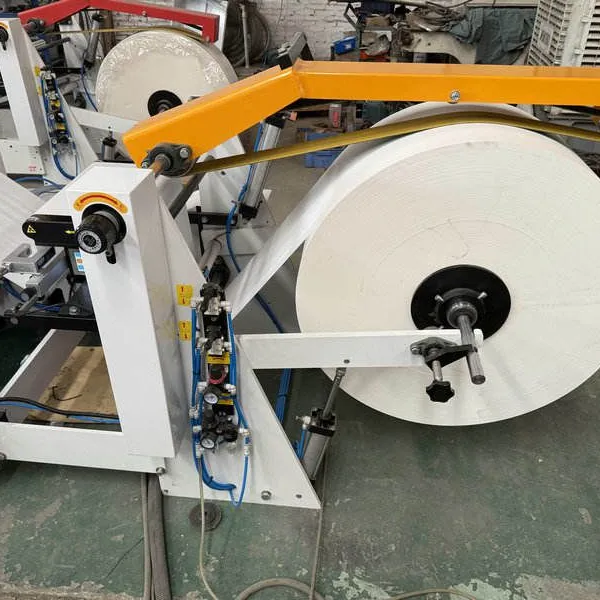 Read More
 -
Napkin Paper Machine Production Capacity: How to Choose the Right Output
September 18, 2026Napkin paper is a high-demand daily disposable paper product widely used in restaurants, hotels, households, and catering institut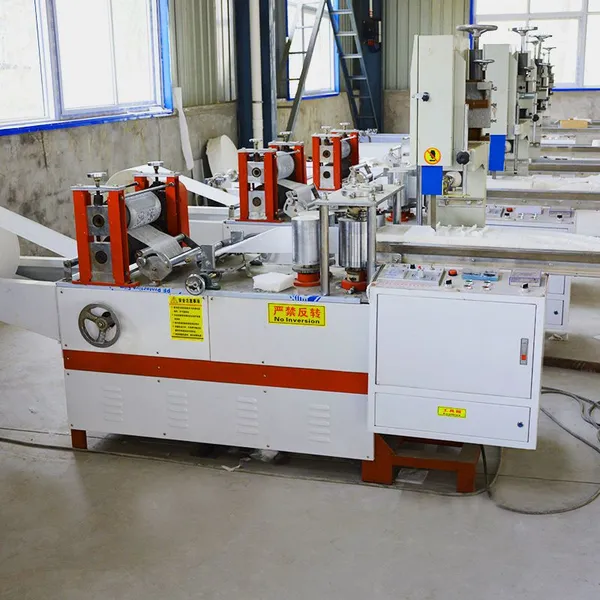 Read More
 -
Maximizing ROI: How Modern Toilet Paper Making Machines Boost Production Efficiency
September 18, 2026In the competitive household paper manufacturing industry, profit margins largely depend on production efficiency, labor cost cont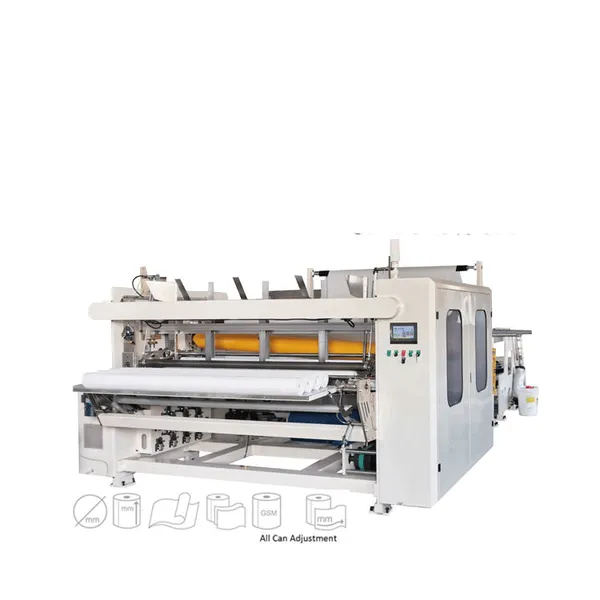 Read More
 -
Fully Automatic vs. Semi-Automatic Toilet Paper Making Machines: Which One Is Right for You?
September 18, 2026The toilet paper manufacturing industry continues to expand with rising global demand for daily household paper products. Choosing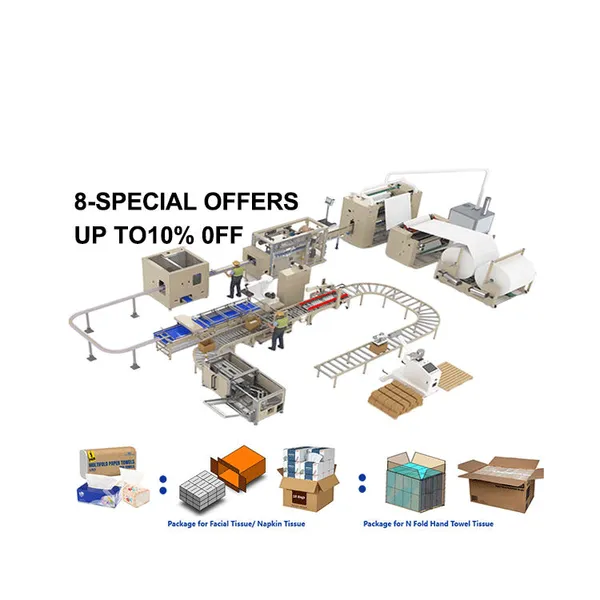 Read More

Contact Us
Recommended Products
-
 Full Electric Forklift 1 Tons 1.5 Tons Stacker Two-Stage Mast Lead-Acid Battery Solid Tire Cheap Manufacturers DirectNegotiableMOQ: 1 Piece
 -
New Stand-on Type Electric Pallet Stacker Forklift 3 Ton Load Capacity 3m-5.5m Lifting Height 1 Year WarrantyNegotiableMOQ: 1 Piece
-
New Heavy Duty 1500kg-2000kg Electric Stacker Forklift Pallet Truck Lithium-Ion DC Drive Warehouse Logistics Retail RestaurantNegotiableMOQ: 1 Piece
-
2t 2.5t 3t Heavy Stacker Forklift Electric Stacker Legless Counterweight All-electric Forklift TruckNegotiableMOQ: 1 Piece
-
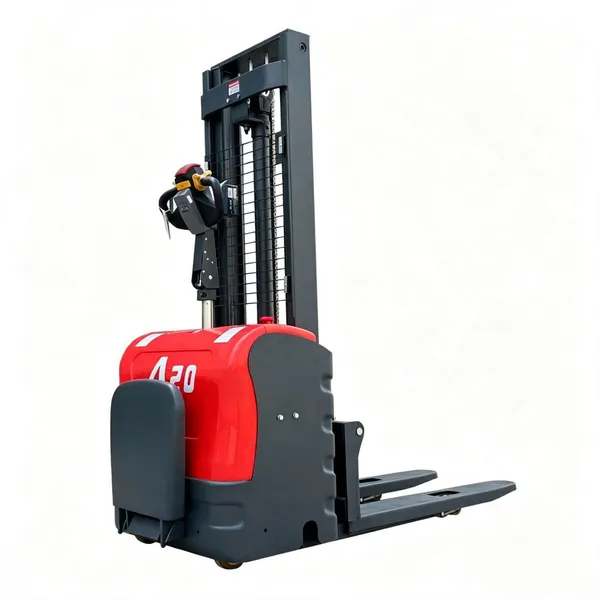
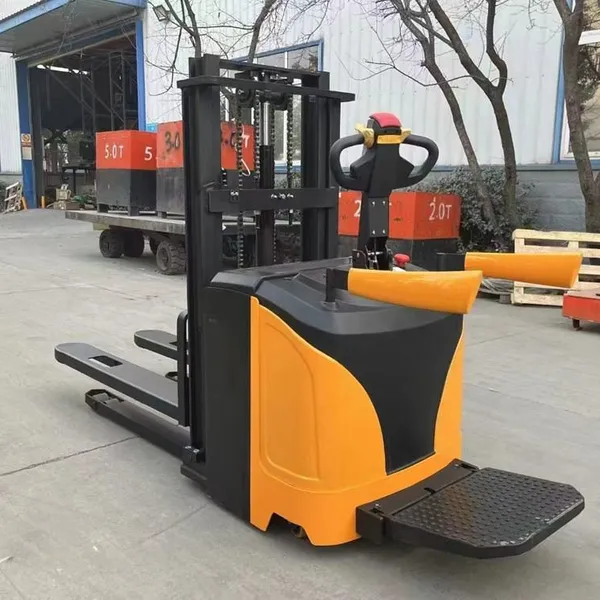
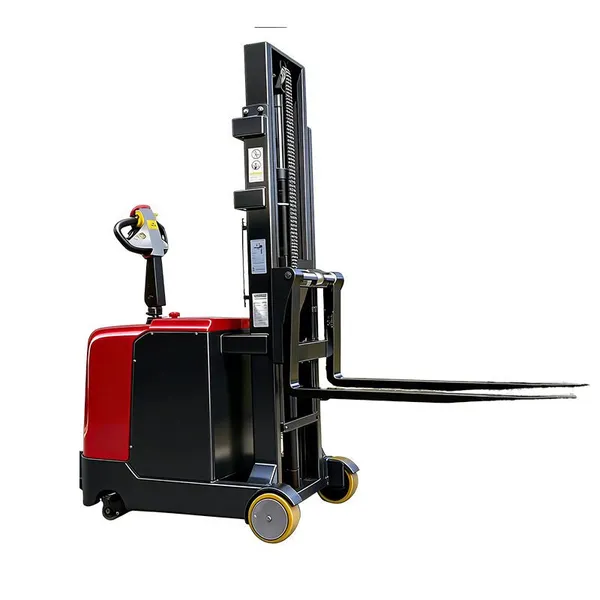
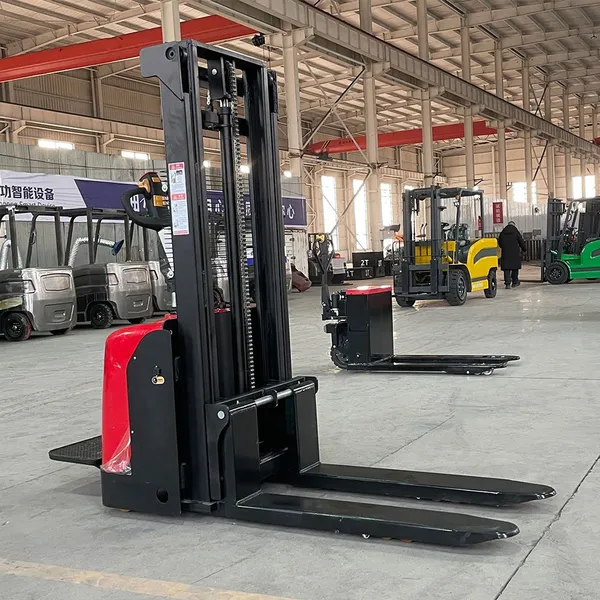
2026 Bestselling Full Electric Stacker 1500kg 2Ton 3M 4M 4.5M Battery Operated Pallet Stacker Indoor Stacking HandlingNegotiableMOQ: 1 Piece

-
3 Ton Electric Forklift Heavy Duty Warehouse Forklift Lithium Battery Durable Multi-function Design Factory WholesaleNegotiableMOQ: 1 Piece
-
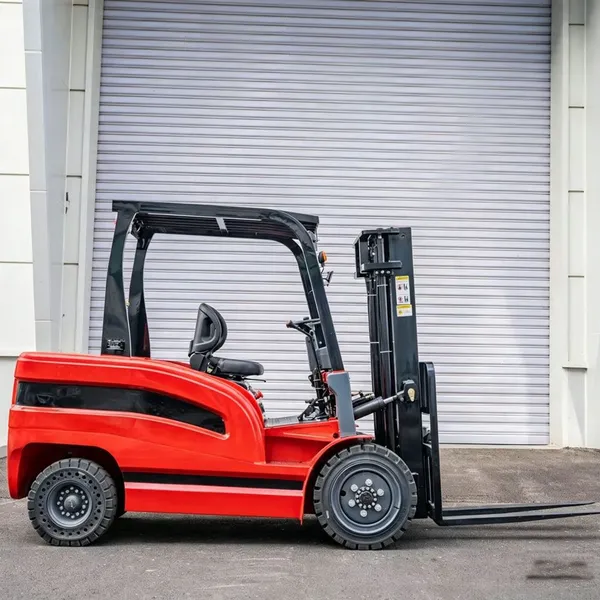
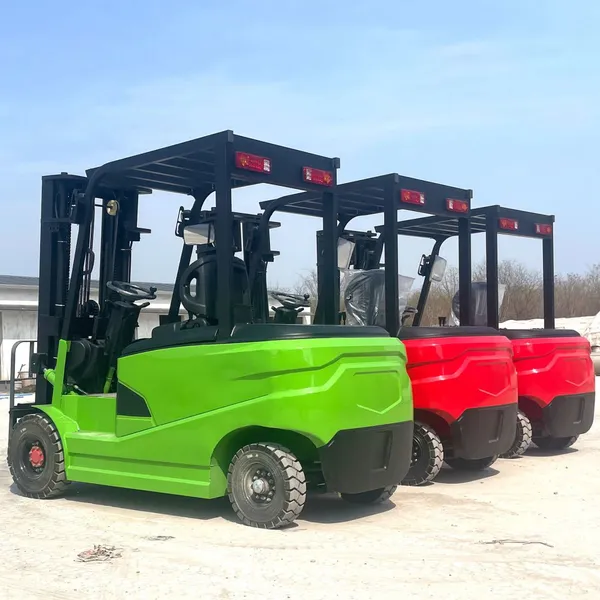
Electric Forklift 1 Ton 1.5 Ton 2 Ton 3 Ton CE MSDS Lithium Battery Four Wheel Drive Forklift Diesel Rough TerrainNegotiableMOQ: 1 Piece
-
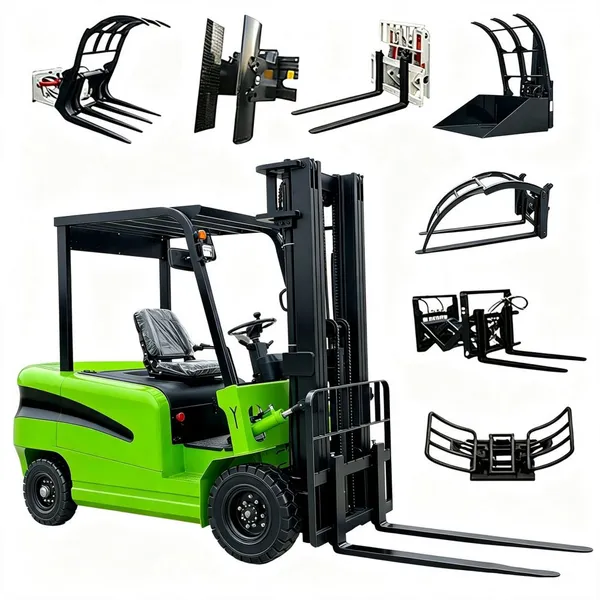
Electric Forklift 3 Ton 5 Ton Forklift Farm Forklifts Lithium Battery 3000-6000mm Lifting Height Hydraulic Fork Lift TruckNegotiableMOQ: 1 Piece
-
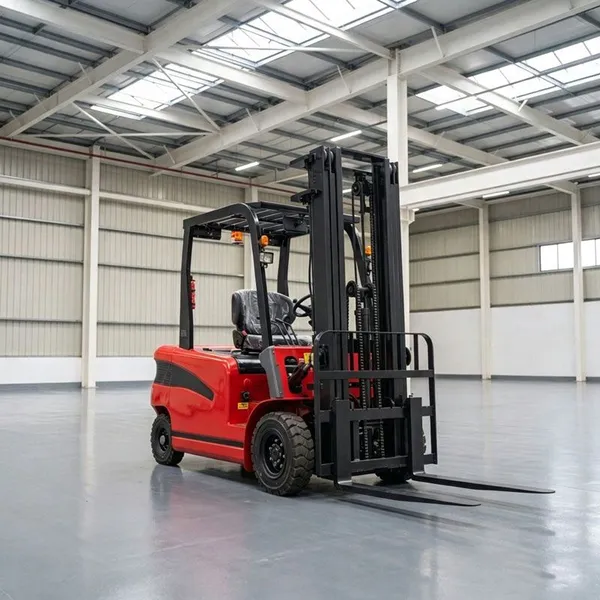
Fast Delivery ELECTRIC FORKLIFT 3 Tons Lifting 3m Pallet Cargo Warehouse Montacargas ElectricoNegotiableMOQ: 1 Piece
-
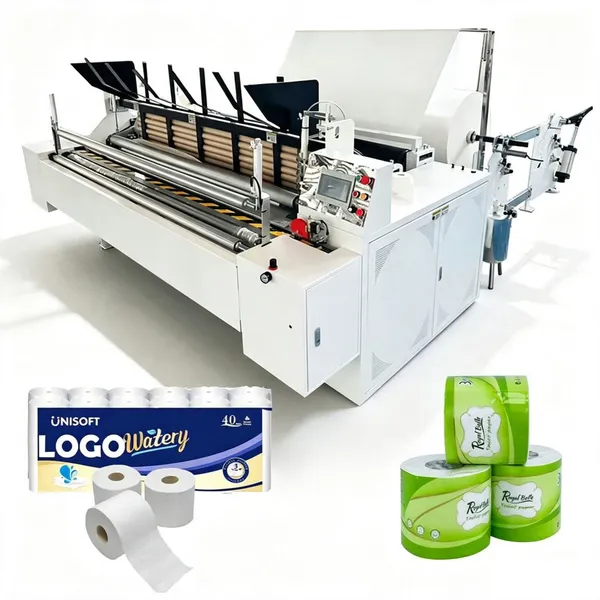
Automatic Toilet Paper Roll Machine Tissue Paper Machine Toilet Tissue Paper Making Cutting Packing Machine for SaleNegotiableMOQ: 1 Piece
-
Automatic Toilet Paper Making Machine Toilet Tissue Roll Rewinding Perforating Production Line Kitchen Towel MachineryNegotiableMOQ: 1 Piece
-
Fully Automatic Toilet Paper Making Machine Small Scale Tissue Roll Production Line High Efficiency EquipmentNegotiableMOQ: 1 Piece
-
High Quality Single Roll With Paper Core Making Machine Toilet Paper Making Machine Complete SetNegotiableMOQ: 1 Piece
-
Bathroom Big Toilet Tissue Making Machine Cost,Automatic Maxi Rolls Toilet Paper Cutting and Rewinding MachineNegotiableMOQ: 1 Piece
-
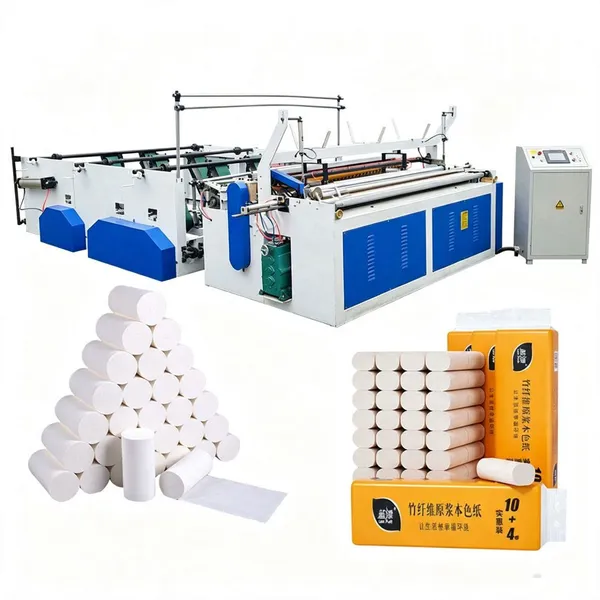
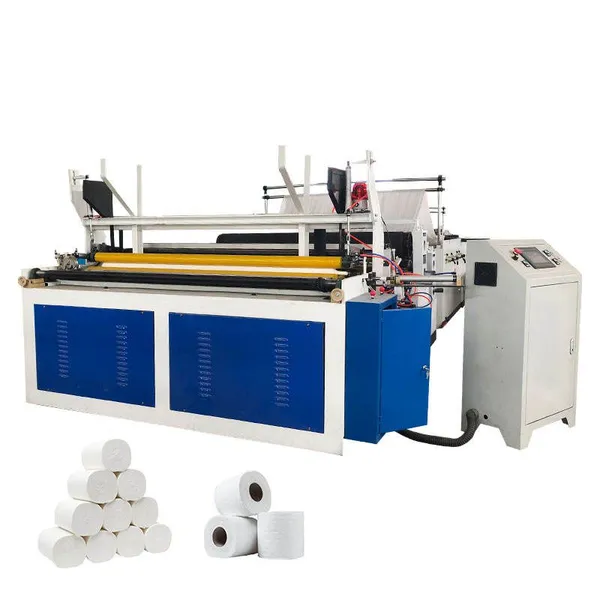
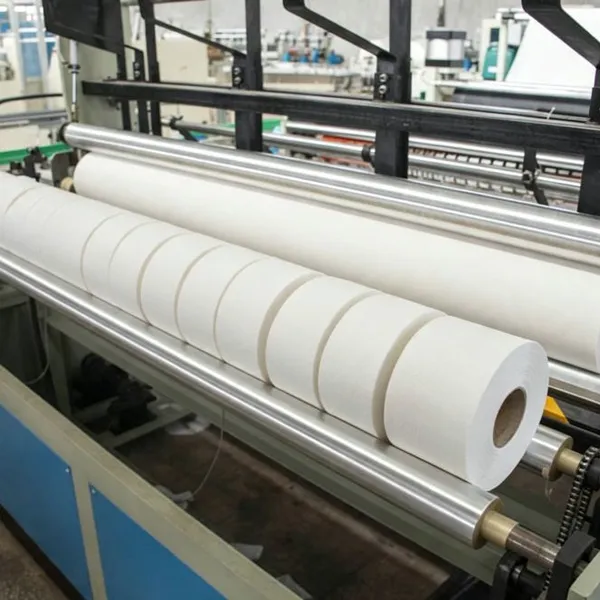
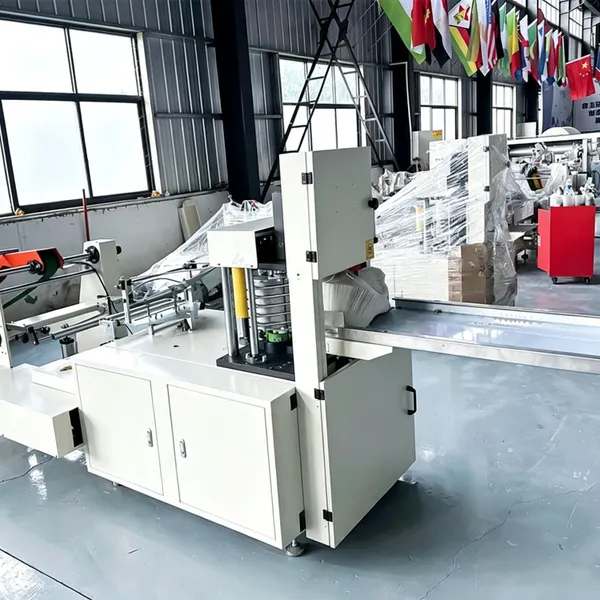
Small Manufacturing Paper Napkins Machine 400x400Tissue Machine for Make NapkinsNegotiableMOQ: 1 Piece

-
Top Sales Fully Automatic Tissue Paper Napkin Making Machine Production Line With Personalised LogoNegotiableMOQ: 1 Piece
-
Capacity 16L-1000L Customizable Cabinet Size Blower Drying Equipment Industrial or Laboratory Specific OvenNegotiableMOQ: 1 Piece
-
16L Wholesale Electric Industrial Laboratory Constant Temperature Hot Air Circulating Heating Convection Drying OvenNegotiableMOQ: 1 Piece
-
Laboratory High Temperature Oven Stainless Steel Circulating Oven Curing Industrial OvenNegotiableMOQ: 1 Piece
-
Industrial 200 250 300 Degree Drying Oven 25L 50L 150L Hot Air Circulating Laboratory Oven MachineNegotiableMOQ: 1 Piece