
 Business License

How to Choose the Right Facial Tissue Machine for Your Business
Entering the tissue paper manufacturing industry or expanding an existing converting line offers substantial growth opportunities. Facial tissues are essential consumer staples across households, offices, hotels, and healthcare facilities. However, purchasing a facial tissue machine represents a major capital investment. Selecting the wrong equipment can lead to high material waste, bottlenecked output, and increased maintenance overhead.
To ensure long-term profitability and seamless plant operations, here is a detailed guide on choosing the right facial tissue machine for your business.
1. Determine Your Target Production Capacity & Automation Level
The machinery you require depends heavily on your projected sales volume, labor budget, and target market size:
Semi-Automatic Facial Tissue Machines: Suitable for small workshops, startups, or niche suppliers. These machines handle basic unwinding, embossing, and V-folding (interfolding), but require manual intervention for transfer, slitting, and box packing. They carry lower upfront capital requirements but require higher ongoing labor.
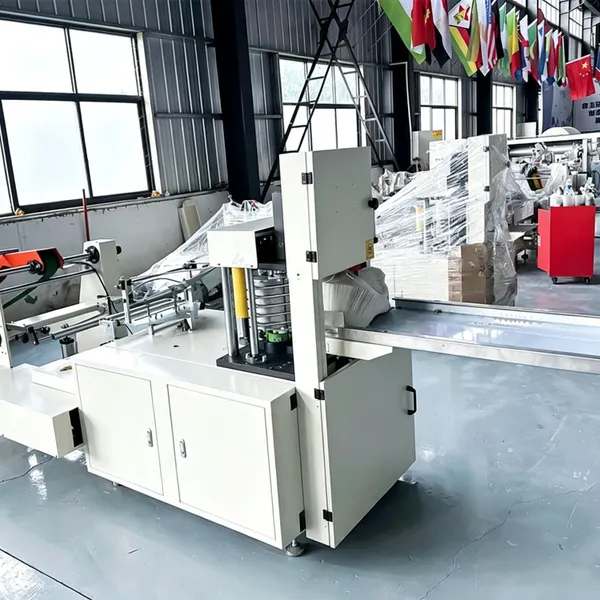
Fully Automatic Facial Tissue Production Lines: Ideal for medium to large-scale paper converting operations. These lines seamlessly connect the unwinding stand, embossing rolls, folding heads, log saw cutter, and box packing/plastic wrapping equipment. A fully automated setup dramatically reduces manual labor, ensures consistent product quality, and optimizes unit production costs.
2. Evaluate Folding Types and Sheet Interfolding Mechanisms
Facial tissue machines rely on specialized folding mechanisms to present tissues in a continuous pop-up format:
V-Fold (Interfolded): The standard format where pulling one tissue automatically pulls up the next. Ensure the folding rollers use high-precision vacuum suction or mechanical folding technology to prevent jamming at higher operating speeds.
Multi-Fold Options: Some advanced machines offer versatile adjustments for different sheet dimensions, draw counts, and fold patterns (such as Z-fold or C-fold) to accommodate varying commercial packaging standards.
3. Inspect Embossing, Printing, and Ply Bond Capabilities
Product differentiation is key in the competitive hygiene product market:
| Feature | Function & Business Impact | Equipment Consideration |
| Embossing Units | Adds aesthetic texture and enhances softness/bulk | Steel-to-rubber or steel-to-steel rollers; double-embossing units for multi-ply softness |
| Edge Embossing & Lamination | Bonds multi-ply tissue sheets together so they don't separate during use | Micro-embossing rollers, glue lamination units, or mechanical edge-sealing wheels |
| Color Printing | Applies decorative patterns or custom branding | Flexographic color printing units (1-color to 4-color attachments) |
4. Assess Raw Material (Jumbo Roll) Compatibility
Your machine must align with the raw jumbo rolls available from your paper suppliers:
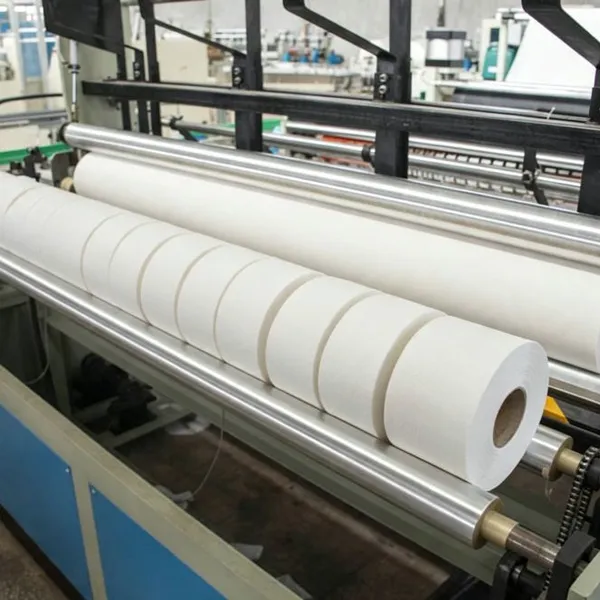
Roll Width & Diameter: Verify the maximum unwind width (e.g., 1200mm, 1800mm, or 2800mm) and maximum roll diameter supported by the unwind stands.
Paper Grade & Weight: Ensure the tension control and feeding systems can handle various paper weights (typically 13–18 gsm per ply) whether using 100% virgin wood pulp, mixed pulp, or recycled tissue stock without tearing.
5. Factor in Build Quality, Control Systems, and After-Sales Support
Industrial machinery reliability directly dictates your return on investment:
Control Interface: Look for machines powered by international Programmable Logic Controllers (PLC) and touch-screen interfaces (e.g., Siemens, Mitsubishi, or Schneider) for easy troubleshooting and parameter adjustments.
Safety & Emergency Controls: Ensure the machine features safety guards, automatic stopping sensors for paper breaks, and accessible emergency stop buttons.
Supplier Support & Spare Parts: Partner with manufacturers that offer comprehensive technical support, installation guidance, operator training, and readily accessible replacement parts (such as perforation blades, suction belts, and heating elements).
Recently Posted
-
What Types of Napkin Paper Machines Are Available? A Buying Guide
September 18, 2026Napkin paper products are essential disposable supplies for hotels, restaurants, families, and commercial events, bringing stable Read More
 -
Napkin Paper Machine Production Capacity: How to Choose the Right Output
September 18, 2026Napkin paper is a high-demand daily disposable paper product widely used in restaurants, hotels, households, and catering institut Read More
 -
Maximizing ROI: How Modern Toilet Paper Making Machines Boost Production Efficiency
September 18, 2026In the competitive household paper manufacturing industry, profit margins largely depend on production efficiency, labor cost cont Read More
 -
Fully Automatic vs. Semi-Automatic Toilet Paper Making Machines: Which One Is Right for You?
September 18, 2026The toilet paper manufacturing industry continues to expand with rising global demand for daily household paper products. Choosing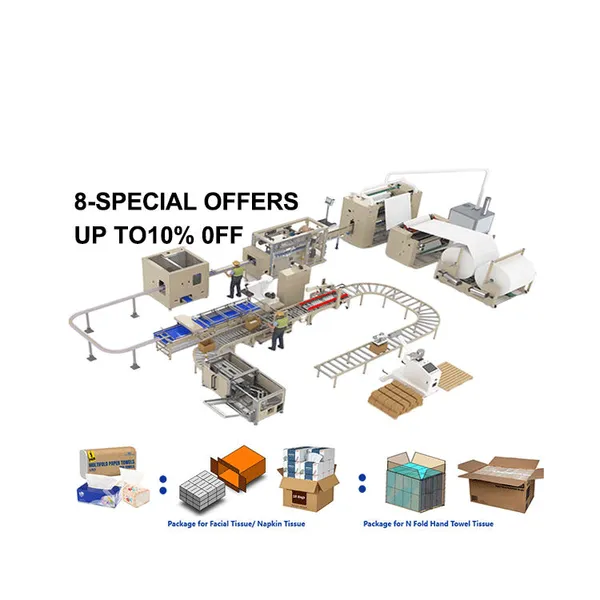 Read More

Contact Us
Recommended Products
-
 Full Electric Forklift 1 Tons 1.5 Tons Stacker Two-Stage Mast Lead-Acid Battery Solid Tire Cheap Manufacturers DirectNegotiableMOQ: 1 Piece
 -
New Stand-on Type Electric Pallet Stacker Forklift 3 Ton Load Capacity 3m-5.5m Lifting Height 1 Year WarrantyNegotiableMOQ: 1 Piece
-
New Heavy Duty 1500kg-2000kg Electric Stacker Forklift Pallet Truck Lithium-Ion DC Drive Warehouse Logistics Retail RestaurantNegotiableMOQ: 1 Piece
-
2t 2.5t 3t Heavy Stacker Forklift Electric Stacker Legless Counterweight All-electric Forklift TruckNegotiableMOQ: 1 Piece
-
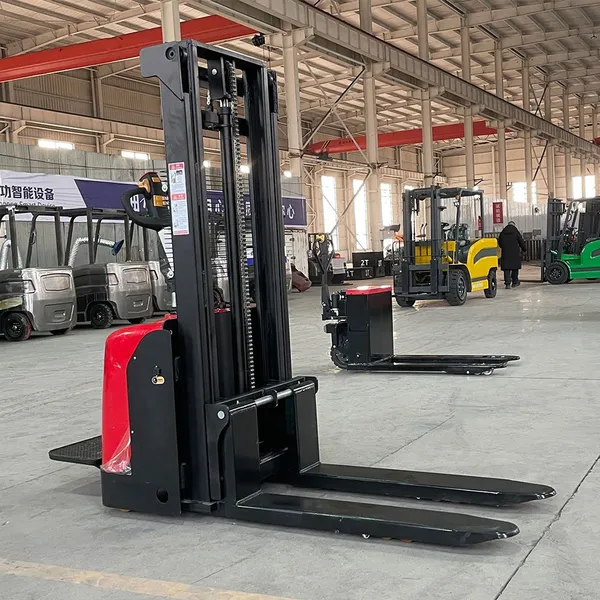
2026 Bestselling Full Electric Stacker 1500kg 2Ton 3M 4M 4.5M Battery Operated Pallet Stacker Indoor Stacking HandlingNegotiableMOQ: 1 Piece

-
3 Ton Electric Forklift Heavy Duty Warehouse Forklift Lithium Battery Durable Multi-function Design Factory WholesaleNegotiableMOQ: 1 Piece
-
Electric Forklift 1 Ton 1.5 Ton 2 Ton 3 Ton CE MSDS Lithium Battery Four Wheel Drive Forklift Diesel Rough TerrainNegotiableMOQ: 1 Piece
-
Electric Forklift 3 Ton 5 Ton Forklift Farm Forklifts Lithium Battery 3000-6000mm Lifting Height Hydraulic Fork Lift TruckNegotiableMOQ: 1 Piece
-
Fast Delivery ELECTRIC FORKLIFT 3 Tons Lifting 3m Pallet Cargo Warehouse Montacargas ElectricoNegotiableMOQ: 1 Piece
-
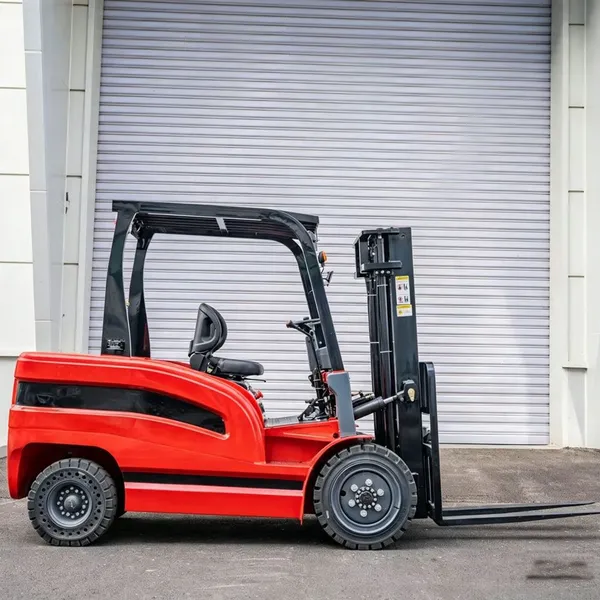
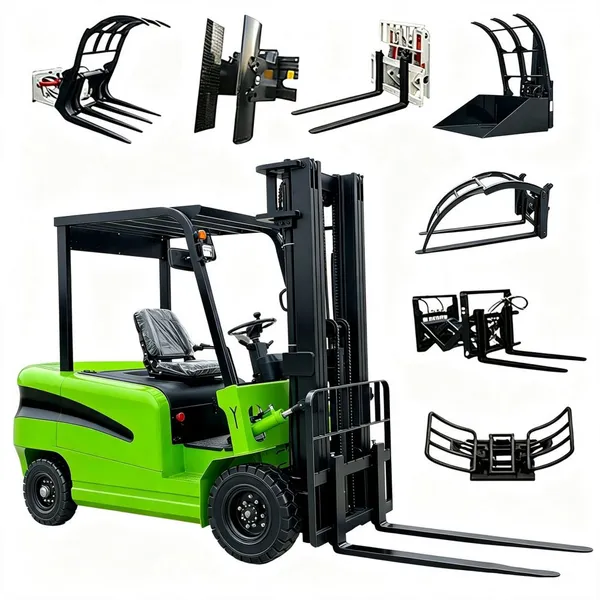
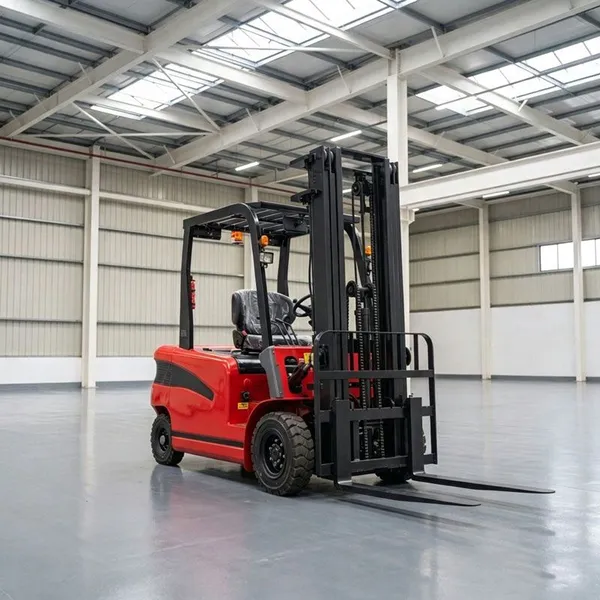
Automatic Toilet Paper Roll Machine Tissue Paper Machine Toilet Tissue Paper Making Cutting Packing Machine for SaleNegotiableMOQ: 1 Piece
-
Automatic Toilet Paper Making Machine Toilet Tissue Roll Rewinding Perforating Production Line Kitchen Towel MachineryNegotiableMOQ: 1 Piece
-
Fully Automatic Toilet Paper Making Machine Small Scale Tissue Roll Production Line High Efficiency EquipmentNegotiableMOQ: 1 Piece
-
High Quality Single Roll With Paper Core Making Machine Toilet Paper Making Machine Complete SetNegotiableMOQ: 1 Piece
-
Bathroom Big Toilet Tissue Making Machine Cost,Automatic Maxi Rolls Toilet Paper Cutting and Rewinding MachineNegotiableMOQ: 1 Piece
-
Small Manufacturing Paper Napkins Machine 400x400Tissue Machine for Make NapkinsNegotiableMOQ: 1 Piece

-
Top Sales Fully Automatic Tissue Paper Napkin Making Machine Production Line With Personalised LogoNegotiableMOQ: 1 Piece
-
Capacity 16L-1000L Customizable Cabinet Size Blower Drying Equipment Industrial or Laboratory Specific OvenNegotiableMOQ: 1 Piece
-
16L Wholesale Electric Industrial Laboratory Constant Temperature Hot Air Circulating Heating Convection Drying OvenNegotiableMOQ: 1 Piece
-
Laboratory High Temperature Oven Stainless Steel Circulating Oven Curing Industrial OvenNegotiableMOQ: 1 Piece
-
Industrial 200 250 300 Degree Drying Oven 25L 50L 150L Hot Air Circulating Laboratory Oven MachineNegotiableMOQ: 1 Piece