
 Business License

How to Choose the Best Scissor Lift for Your Industrial Project
Selecting the right scissor lift for an industrial project directly impacts job site safety, operational efficiency, and overall budget. Scissor lifts provide a stable, vertical-lifting platform for high-elevation tasks, but choosing the wrong capacity, height, or power source can cause costly project delays or compliance issues.
Below is a detailed guide to help you evaluate your project requirements and select the ideal scissor lift.
Key Factors to Consider Before Selecting a Scissor Lift
1. Working Height and Reach Requirements
Before renting or purchasing equipment, determine both the required platform height and total working height:
Platform Height: The distance from the ground to the base of the platform at full extension.
Working Height: Calculated by adding approximately 6 feet (1.8 meters) to the platform height, accounting for the average operator’s reach.
Common heights for industrial applications range from small indoor models (10–19 feet) to heavy-duty units exceeding 50 feet.
2. Weight Capacity (Load Limits)
Exceeding platform load limits poses a severe safety risk. Factor in:
The total weight of all operators working on the platform simultaneously.
Tools, safety equipment, and raw materials required at height.
Standard lifts offer load capabilities ranging from 500 lbs to over 2,000 lbs. Heavy-duty industrial projects typically require high-capacity platforms to support heavy machinery parts and multiple workers.
3. Environment and Terrain (Indoor vs. Outdoor)
The operating environment determines the necessary tire types, drive systems, and power sources.
Indoor/Slab Work: Smooth, level concrete floors require non-marking rubber tires and compact dimensions to pass through double doors or tight aisles.
Outdoor/Rough Terrain: Unpaved sites, mud, or gravel demand rough-terrain lifts equipped with heavy-duty tread, high ground clearance, four-wheel drive (4WD), and stabilizing outriggers.
Comparing Scissor Lift Power Types
| Feature | Electric Scissor Lifts | Hydraulic / Diesel Scissor Lifts |
| Best Used For | Indoor facilities, warehouses, cleanrooms | Heavy-duty outdoor construction, rough terrain |
| Emissions | Zero emissions (environmentally friendly) | Exhaust emissions (requires outdoor ventilation) |
| Noise Level | Quiet operation | High noise level |
| Tire Type | Solid non-marking tires | Heavy-duty pneumatic/foam-filled tires |
| Power Source | Deep-cycle rechargeable batteries | Diesel or dual-fuel (Gas/LPG) engines |
Safety Guidelines and Compliance
Operators must adhere to Occupational Safety and Health Administration (OSHA) and ANSI standards when operating aerial work platforms:
Fall Protection: Ensure guardrails are fully secured and operators utilize personal fall arrest systems (PFAS) where required.
Pre-Operation Inspection: Check hydraulic lines, tire pressure, platform controls, and emergency shutoff systems prior to every shift.
Ground Stability: Never deploy a scissor lift on uneven slopes or soft soil without proper outrigger deployment and ground assessment.
Operator Training: Only certified personnel who have completed OSHA-compliant equipment safety training should operate aerial lifts.
Recently Posted
-
What Types of Napkin Paper Machines Are Available? A Buying Guide
September 18, 2026Napkin paper products are essential disposable supplies for hotels, restaurants, families, and commercial events, bringing stable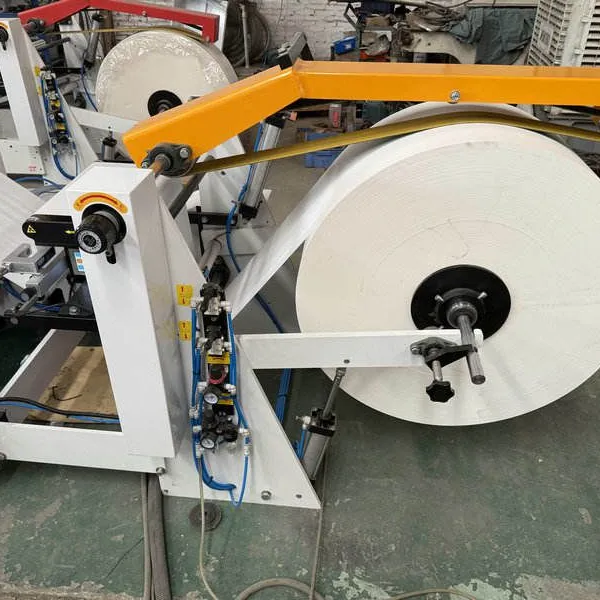 Read More
 -
Napkin Paper Machine Production Capacity: How to Choose the Right Output
September 18, 2026Napkin paper is a high-demand daily disposable paper product widely used in restaurants, hotels, households, and catering institut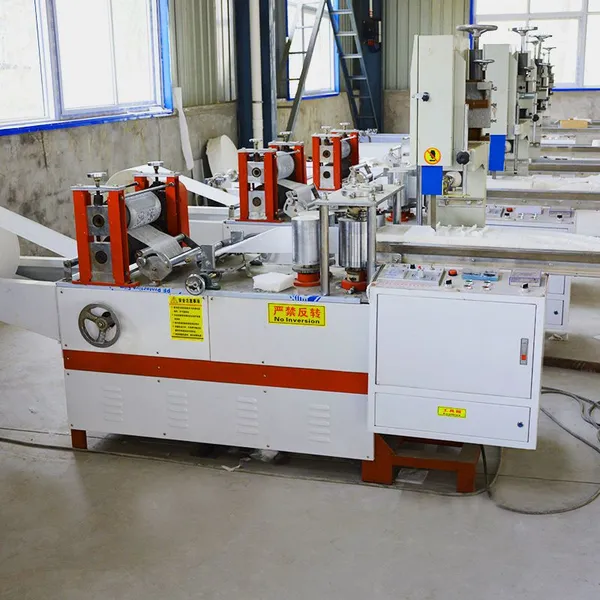 Read More
 -
Maximizing ROI: How Modern Toilet Paper Making Machines Boost Production Efficiency
September 18, 2026In the competitive household paper manufacturing industry, profit margins largely depend on production efficiency, labor cost cont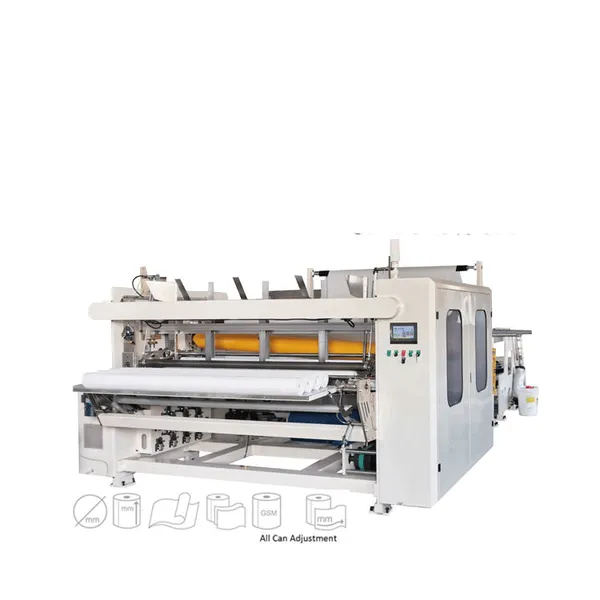 Read More
 -
Fully Automatic vs. Semi-Automatic Toilet Paper Making Machines: Which One Is Right for You?
September 18, 2026The toilet paper manufacturing industry continues to expand with rising global demand for daily household paper products. Choosing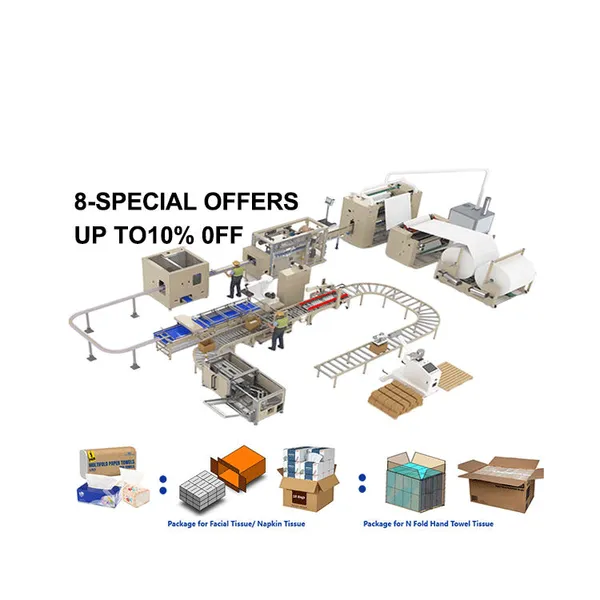 Read More

Contact Us
Recommended Products
-
 Full Electric Forklift 1 Tons 1.5 Tons Stacker Two-Stage Mast Lead-Acid Battery Solid Tire Cheap Manufacturers DirectNegotiableMOQ: 1 Piece
 -
New Stand-on Type Electric Pallet Stacker Forklift 3 Ton Load Capacity 3m-5.5m Lifting Height 1 Year WarrantyNegotiableMOQ: 1 Piece
-
New Heavy Duty 1500kg-2000kg Electric Stacker Forklift Pallet Truck Lithium-Ion DC Drive Warehouse Logistics Retail RestaurantNegotiableMOQ: 1 Piece
-
2t 2.5t 3t Heavy Stacker Forklift Electric Stacker Legless Counterweight All-electric Forklift TruckNegotiableMOQ: 1 Piece
-
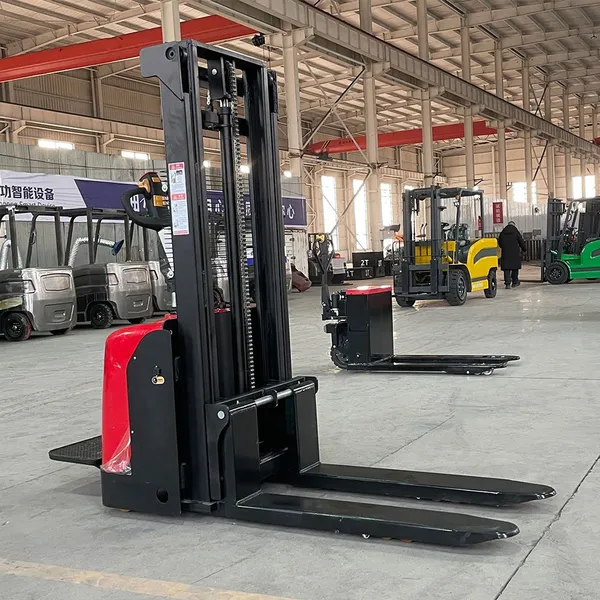
2026 Bestselling Full Electric Stacker 1500kg 2Ton 3M 4M 4.5M Battery Operated Pallet Stacker Indoor Stacking HandlingNegotiableMOQ: 1 Piece
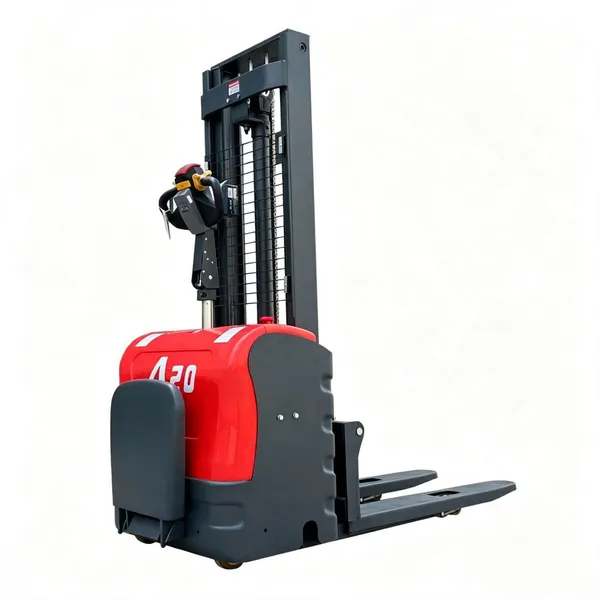
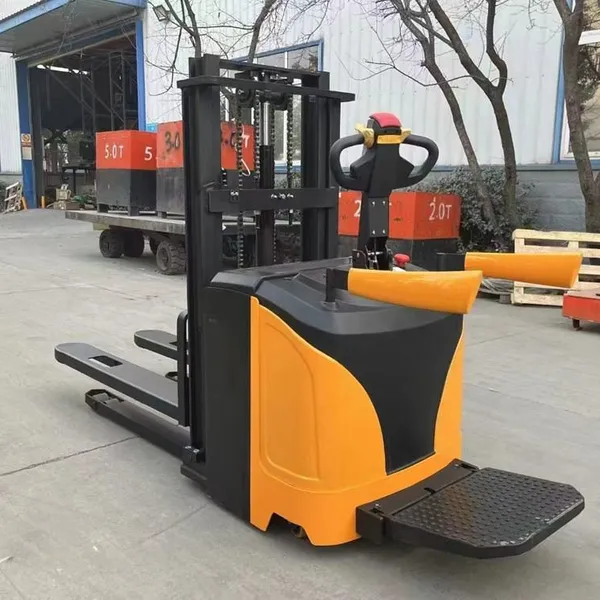

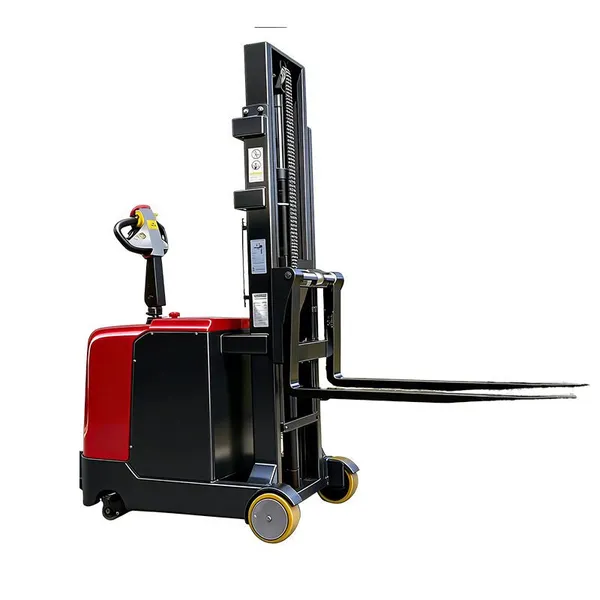
-
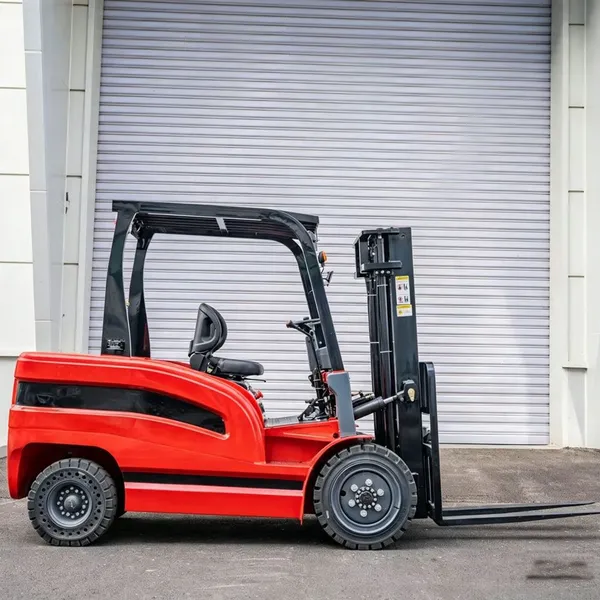
3 Ton Electric Forklift Heavy Duty Warehouse Forklift Lithium Battery Durable Multi-function Design Factory WholesaleNegotiableMOQ: 1 Piece
-
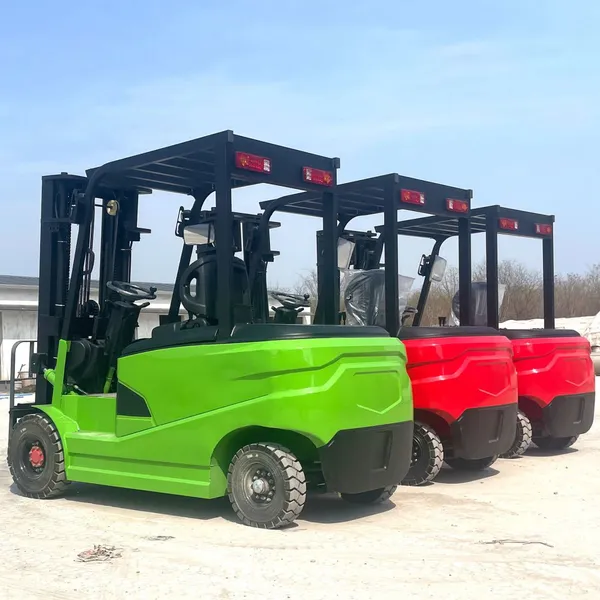
Electric Forklift 1 Ton 1.5 Ton 2 Ton 3 Ton CE MSDS Lithium Battery Four Wheel Drive Forklift Diesel Rough TerrainNegotiableMOQ: 1 Piece
-
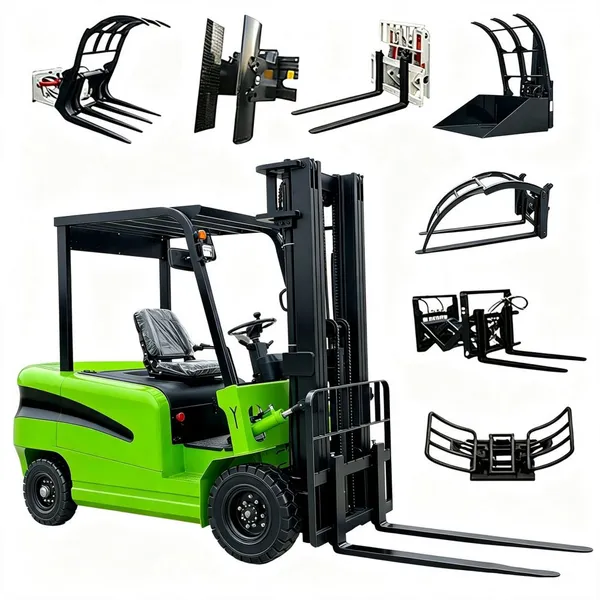
Electric Forklift 3 Ton 5 Ton Forklift Farm Forklifts Lithium Battery 3000-6000mm Lifting Height Hydraulic Fork Lift TruckNegotiableMOQ: 1 Piece
-
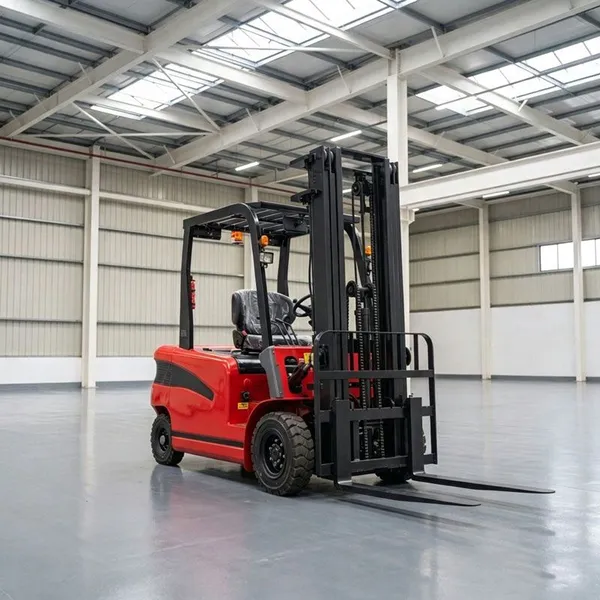
Fast Delivery ELECTRIC FORKLIFT 3 Tons Lifting 3m Pallet Cargo Warehouse Montacargas ElectricoNegotiableMOQ: 1 Piece
-
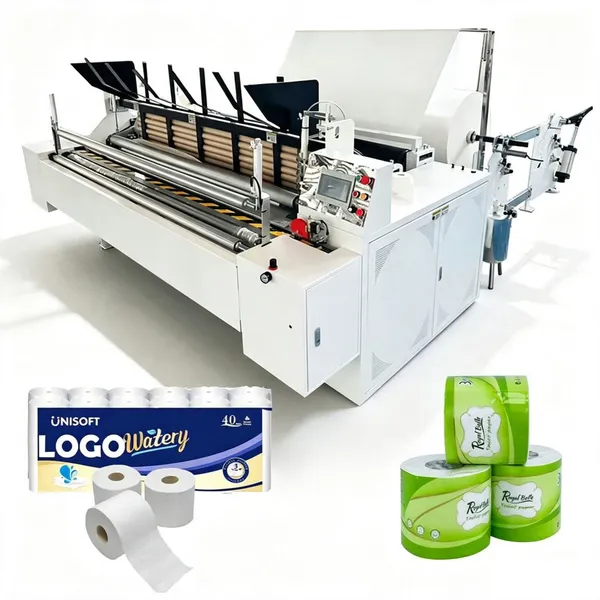
Automatic Toilet Paper Roll Machine Tissue Paper Machine Toilet Tissue Paper Making Cutting Packing Machine for SaleNegotiableMOQ: 1 Piece
-
Automatic Toilet Paper Making Machine Toilet Tissue Roll Rewinding Perforating Production Line Kitchen Towel MachineryNegotiableMOQ: 1 Piece
-
Fully Automatic Toilet Paper Making Machine Small Scale Tissue Roll Production Line High Efficiency EquipmentNegotiableMOQ: 1 Piece
-
High Quality Single Roll With Paper Core Making Machine Toilet Paper Making Machine Complete SetNegotiableMOQ: 1 Piece
-
Bathroom Big Toilet Tissue Making Machine Cost,Automatic Maxi Rolls Toilet Paper Cutting and Rewinding MachineNegotiableMOQ: 1 Piece
-
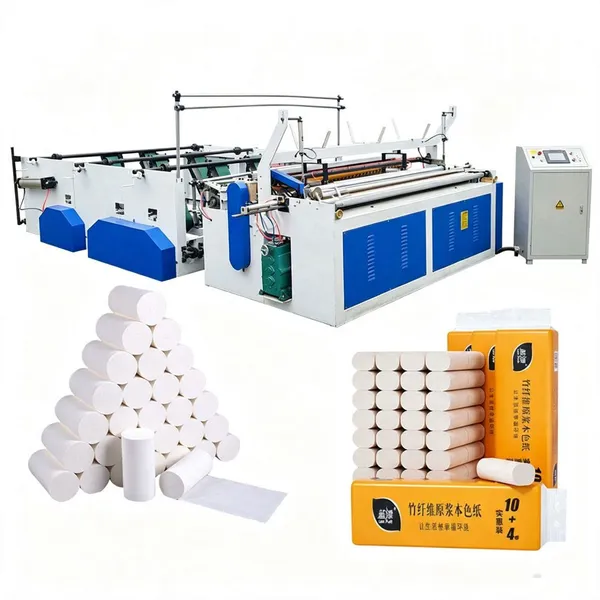
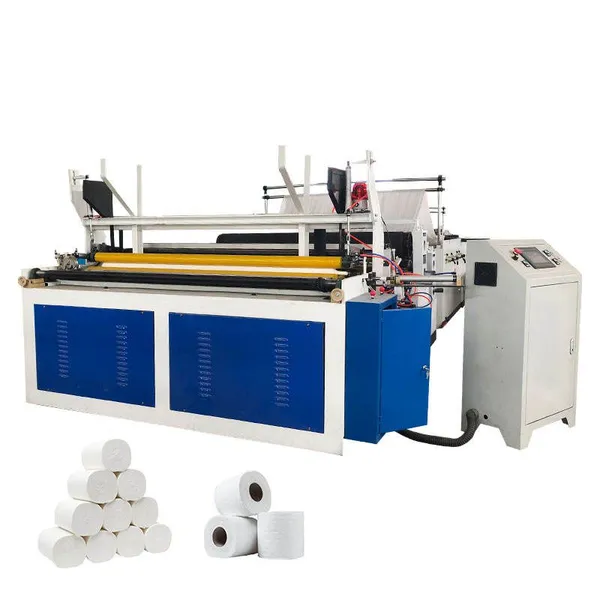
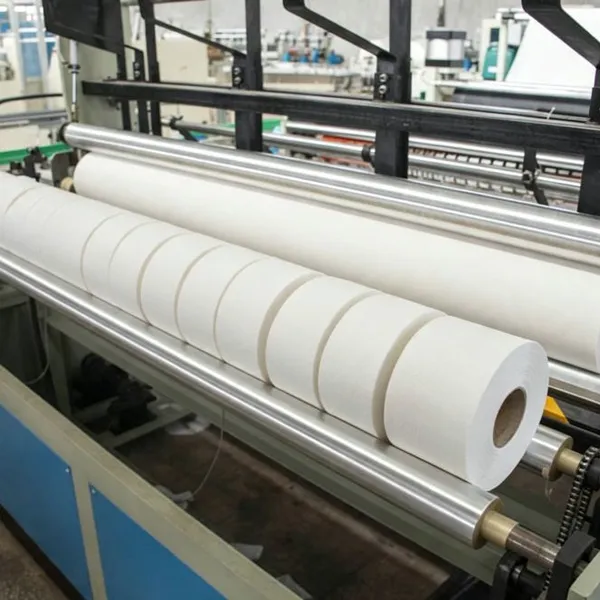
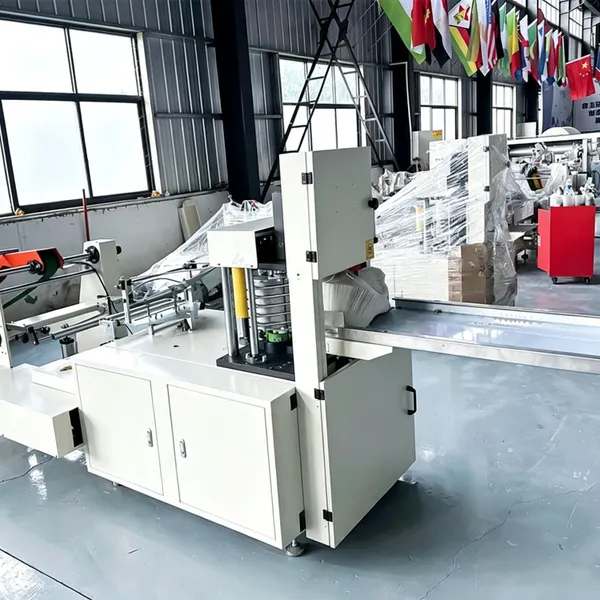
Small Manufacturing Paper Napkins Machine 400x400Tissue Machine for Make NapkinsNegotiableMOQ: 1 Piece

-
Top Sales Fully Automatic Tissue Paper Napkin Making Machine Production Line With Personalised LogoNegotiableMOQ: 1 Piece
-
Capacity 16L-1000L Customizable Cabinet Size Blower Drying Equipment Industrial or Laboratory Specific OvenNegotiableMOQ: 1 Piece
-
16L Wholesale Electric Industrial Laboratory Constant Temperature Hot Air Circulating Heating Convection Drying OvenNegotiableMOQ: 1 Piece
-
Laboratory High Temperature Oven Stainless Steel Circulating Oven Curing Industrial OvenNegotiableMOQ: 1 Piece
-
Industrial 200 250 300 Degree Drying Oven 25L 50L 150L Hot Air Circulating Laboratory Oven MachineNegotiableMOQ: 1 Piece